
Why Is My Refrigerator Not Cooling Properly?
Learn the most common causes behind warm fridge sections and what you can safely check before calling a technician.
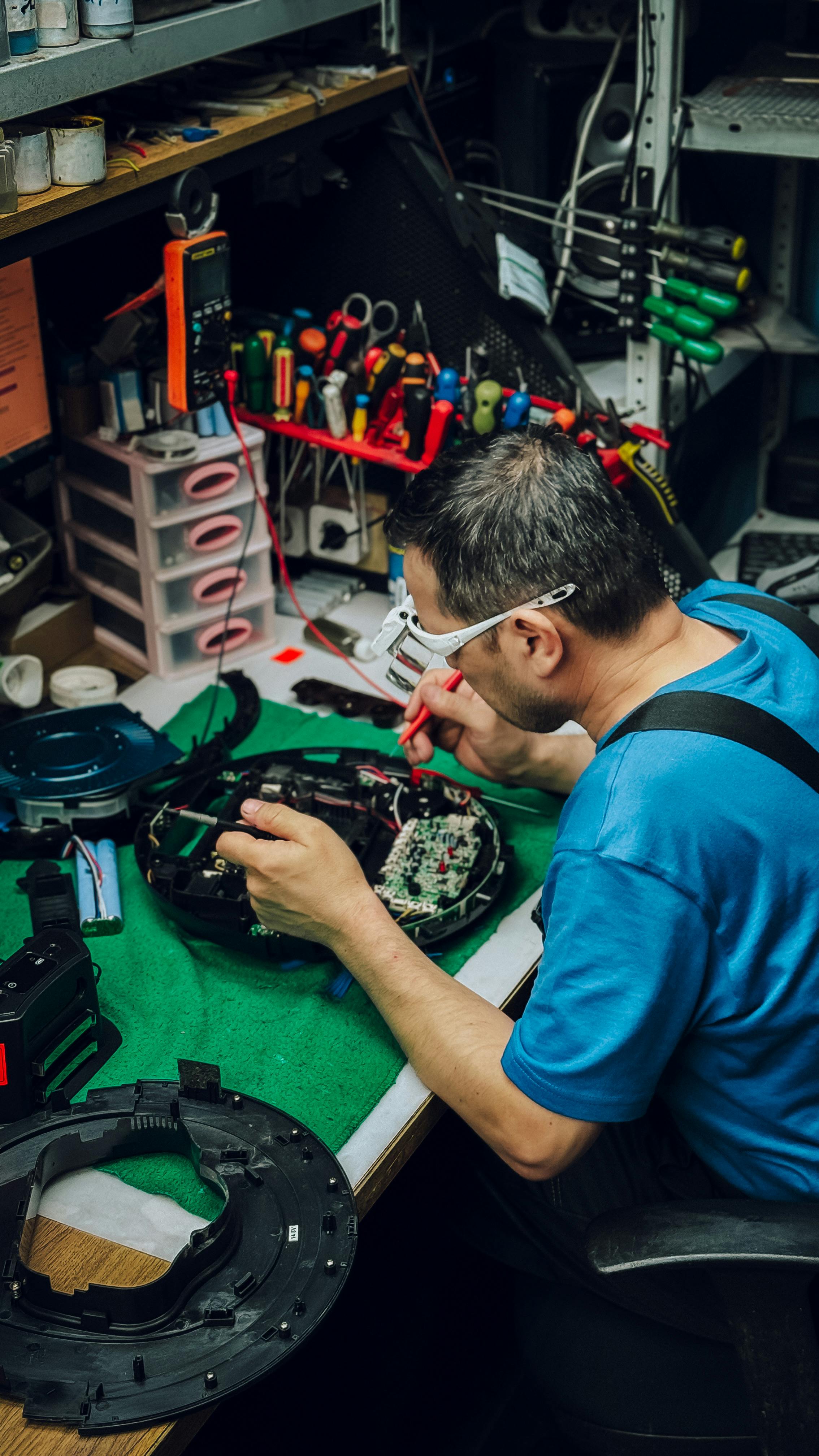
A warm refrigerator is stressful because the clock starts as soon as the temperature rises. Food safety guidance generally treats 40°F as the upper limit for refrigerated food, so it is worth checking the temperature with an appliance thermometer instead of guessing. Many cooling problems have a simple cause, and a few checks can help you decide what to do next.
Start with the settings and the door
Thermostat dials and touch panels get bumped more often than people think. Confirm the setting first. Then check that nothing is holding the door open and that the gasket is clean and sealing all the way around. A door left slightly open can make the fridge run constantly and still fall behind.
Clean the condenser coils
The condenser releases the heat removed from inside the refrigerator. When it is covered in dust and pet hair, the system has to work harder and cooling suffers. Unplug the refrigerator and vacuum the coils if your model gives you access to them. Coils may be behind a lower grille or on the back of the unit.
Let the cold air move
Most refrigerators send cold air from the freezer into the fresh food section through vents. If those vents are blocked by food containers, one area can warm up while another stays cold. Rearrange the shelves and leave space around the vents.
When the freezer is cold but the fridge is warm
This pattern often points to an airflow problem. A failed evaporator fan or a coil covered in frost can stop cold air from reaching the fresh food section. Heavy frost on the back wall of the freezer is another sign that the defrost system may need attention. These repairs require disassembly and testing, so this is usually the right time to call a technician.
When to call for service
Schedule service if the temperature is still too high after these checks, if the compressor is running constantly or clicking on and off, or if you see water collecting inside or under the unit. In the meantime, keep the doors closed as much as possible and move the most sensitive food to a cooler with ice if the temperature keeps rising.